Protecting Your Roof from Chinook Temperature Swings
Living in Edmonton means adapting to weather that can change its mind in an afternoon. While we all welcome the sudden, glorious warmth of a winter Chinook, these dramatic temperature shifts aren't exactly a relief for your home's exterior. In fact, the rapid transition from deep freezing to springtime warmth can put immense stress on your roofing materials.
For homeowners across Alberta, understanding how chinook winds affect asphalt shingles is a critical part of home maintenance. These warm winter winds can raise the temperature by 20 degrees or more in a matter of hours. While you might be enjoying the break from the cold, your roof is experiencing a rapid physical transformation that, over time, can compromise its ability to protect your home.
At ADL Roof Revival, we understand that your roof is your home's first line of defense against our unpredictable climate. We want to help you understand the mechanics of winter weather damage, specifically focusing on the challenges brought by sudden temperature swings, and provide you with actionable steps to ensure your roof remains durable, flexible, and ready for whatever the season brings.
The Hidden Danger: Thermal Shock Roof Shingle Damage
When we talk about the impact of sudden weather changes on your home, the most significant threat to your shingles is thermal shock. Thermal shock roof shingle damage occurs when roofing materials expand and contract rapidly due to sudden, extreme shifts in temperature.
During a typical deep freeze, asphalt shingles contract, becoming rigid and somewhat brittle. When a Chinook rolls in and the sun hits your roof, those same shingles heat up quickly and expand. When the wind moves on and the temperature plummets again when the sun goes down, the shingles contract rapidly. This constant, aggressive cycle of expansion and contraction forces the materials to work incredibly hard.
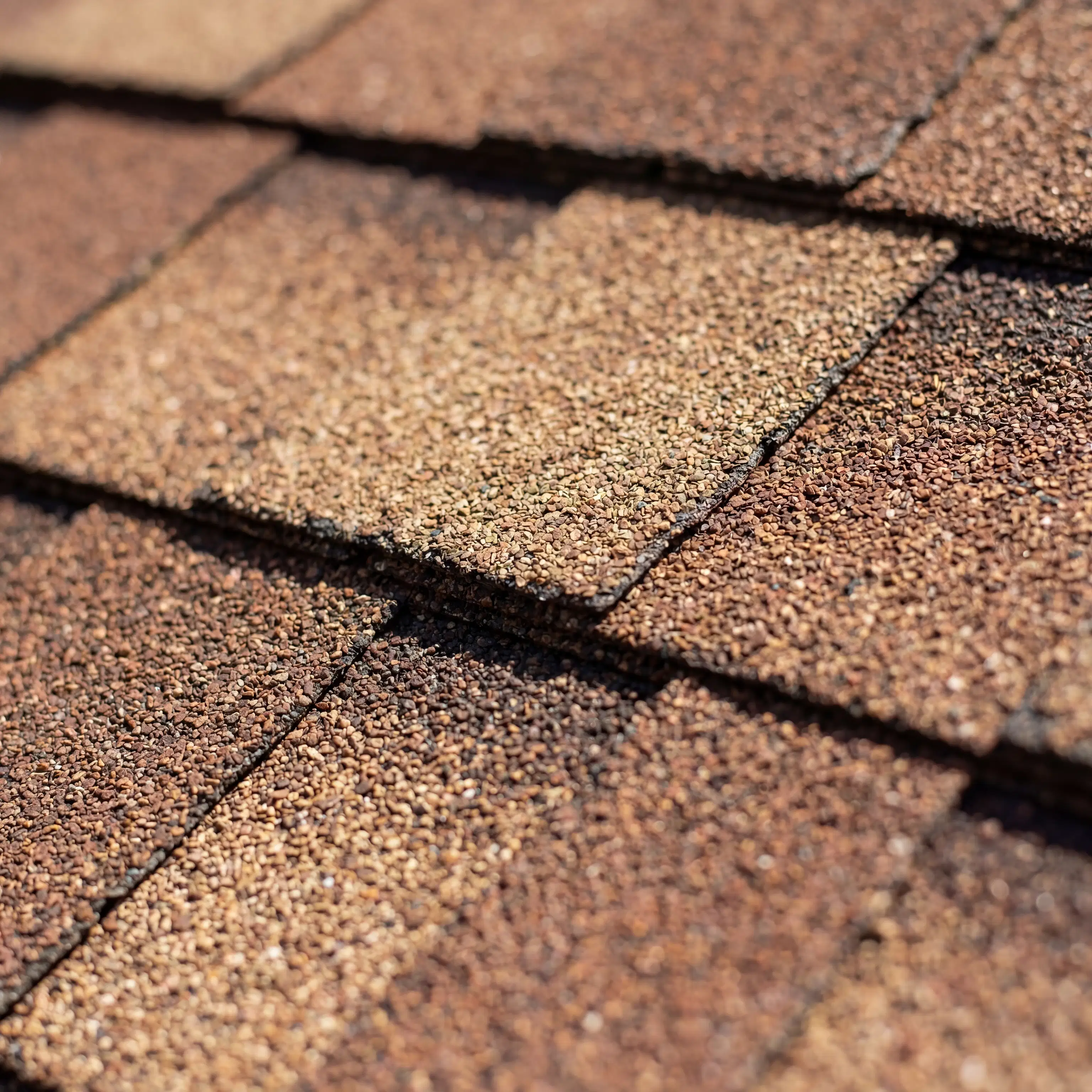
Over the years, this cyclical movement can lead to several noticeable issues. You might start to see tiny micro-tears or larger cracks forming on the surface of the shingles. As the material expands and shrinks, the adhesive bonds that hold the protective granules in place can weaken. You might notice an accumulation of these granules in your gutters after a melt. Once these granules wash away, the underlying asphalt is exposed directly to UV rays, which accelerates the aging process and makes the shingles even more brittle.
Furthermore, this movement can loosen the nails holding the shingles to the roof deck, leading to raised or curling edges. Once a shingle curls or lifts, it creates an opening for moisture from melting snow to seep underneath, significantly increasing the risk of water damage and interior leaks when the temperatures inevitably drop and freeze that trapped moisture.
Protecting Asphalt Shingles from Rapid Temperature Swings
So, how do you go about protecting asphalt shingles from rapid temperature swings? The most effective strategy combines proactive maintenance with addressing minor issues before they snowball into major structural problems.
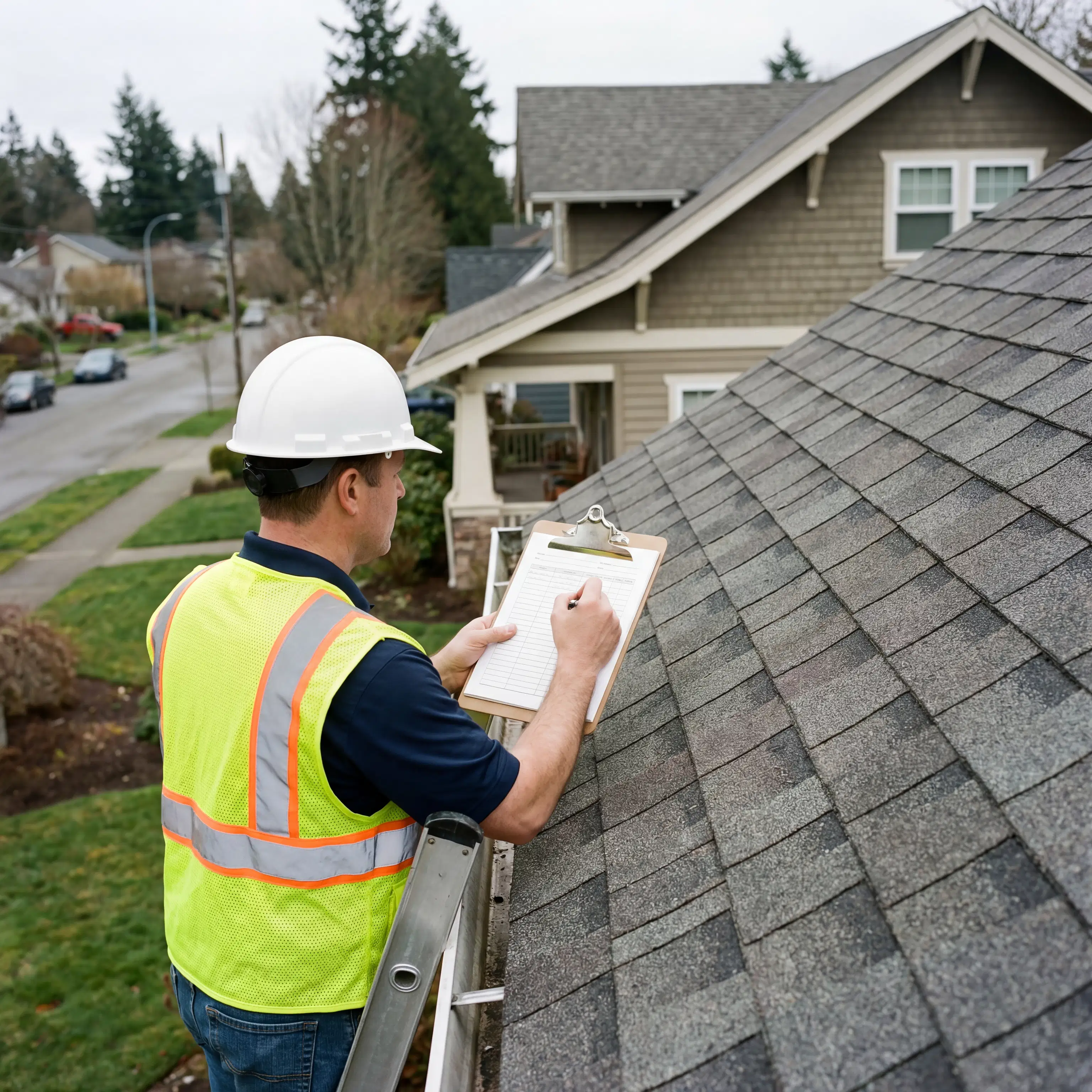
First, regular professional inspections are vital, especially after a severe season of freeze-thaw cycles. Getting an expert eye on your roof allows you to spot curling, granule loss, or minor cracking early. Today, modern roofing services often utilize advanced drone technology to perform highly accurate, safe aerial inspections, ensuring no section of your roof is overlooked without causing unnecessary foot traffic on potentially brittle winter shingles.
Second, ensuring your attic is properly insulated and ventilated plays a massive role in regulating the temperature of your roof deck. Good ventilation ensures that the underside of your roof doesn't become artificially heated by your home's interior, which can exacerbate the extreme temperature differences during a cold snap and lead to disastrous ice damming.
Finally, when you do spot damage, prompt roof repair is essential. Replacing a few cracked shingles, re-securing lifted edges, and fixing flashing around vents can prevent water intrusion. Delaying these repairs often turns a straightforward fix into a costly emergency roofing situation when the spring rains finally arrive.
Restoring Flexibility: The Power of Roof Rejuvenation
Sometimes, your roof doesn't need a complete overhaul—it just needs a breath of life to restore its natural defenses against thermal shock. As asphalt shingles age, the natural oils that give them their flexibility begin to dry out. This loss of oil is what makes them so vulnerable to snapping and cracking during extreme temperature swings.
This is where roof rejuvenation comes in. This innovative service involves applying a specialized, bio-based treatment to your existing roof. The treatment penetrates the asphalt, restoring the lost oils and returning the shingles to their original flexibility. By bringing back this pliability, your roof is once again able to easily expand and contract with the shifting weather without sustaining damage. It's a highly cost-effective alternative to a full replacement, often extending the life of your roof by five to fifteen years while maintaining an eco-friendly approach by keeping old shingles out of the landfill.
Whether you live right in the heart of YEG or in the surrounding communities along The QEII corridor, your home requires a resilient exterior to handle whatever the skies deliver. Don't wait for a leak to reveal the toll that winter winds have taken on your property.
At ADL Roof Revival, our team is committed to providing honest, transparent assessments and reliable solutions. From targeted roof repair to comprehensive roof rejuvenation and full roof replacement when necessary, we have the expertise to protect your investment. Contact us today to schedule your comprehensive roof inspection and keep your home safe, secure, and ready for the seasons ahead.