Don't Let Winter Win: A Homeowner's Guide to Preventing Ice Damming in Edmonton
Edmonton winters are a force to be reckoned with. While the snow-covered landscapes can be beautiful, the season also brings unique challenges for homeowners, especially when it comes to their roofs. One of the most common and destructive winter roofing problems is ice damming. That ridge of ice along your eaves might look harmless, but it can be a sign of serious trouble brewing, potentially leading to water damage inside your home.
Understanding what causes ice dams is the first step toward preventing them. It’s not just about the snow on your roof; it’s about what’s happening underneath it. This guide will walk you through the causes of ice damming, how to prevent it, and what to do if you’re already facing this winter menace. Protecting your home is about proactive care, and we're here to show you how.
What Exactly is an Ice Dam?
An ice dam is a buildup of ice that forms at the edge of a roof, typically along the eavestroughs. It happens when heat from inside your home escapes into the attic, warming the underside of the roof deck. This causes the snow on the upper parts of your roof to melt, even when the outside temperature is below freezing.
As this meltwater runs down the roof, it reaches the colder eaves and gutters, where it refreezes. This process repeats, creating a literal dam of ice. The problem is that the snow higher up continues to melt, and the resulting water gets trapped behind this dam. With nowhere to go, the water is forced back up under your shingles and can leak directly into your attic, ceilings, and walls.
This can lead to a host of expensive problems:
- Water-damaged insulation: Wet insulation loses its R-value and becomes ineffective.
- Damaged drywall and ceilings: Stains, sagging, and peeling paint are common signs.
- Rotting wood: The roof deck, rafters, and wall framing can be compromised.
- Mold and mildew growth: Trapped moisture creates the perfect environment for mold, which can pose health risks.
The constant freeze-thaw cycle we experience can make this problem even worse, putting immense stress on your roofing materials.
The Two Main Culprits: Poor Insulation and Inadequate Ventilation
Ice damming is almost always a symptom of a bigger issue within your home's roofing system. Simply removing the ice won't solve the underlying problem. To truly prevent ice dams, you need to address the two root causes: heat loss and poor ventilation.
1. Heat Loss from Inadequate Insulation Your attic floor should act as a thermal barrier, keeping the warm, conditioned air from your living space where it belongs. When attic insulation is insufficient, old, or improperly installed, significant heat escapes into the attic. This is what warms the roof deck and starts the snow-melting cycle. Sealing air leaks from light fixtures, plumbing stacks, and attic hatches is also critical to stopping this heat transfer.
2. Inadequate Attic Ventilation A properly ventilated attic helps maintain a cold roof deck by circulating outdoor air. The goal is for the attic temperature to be as close to the outside temperature as possible. A balanced system requires:
- Intake Vents (Soffits): These allow cool, dry air to enter the attic at the lowest point of the roof.
- Exhaust Vents (Ridge or Roof Vents): These allow warmer, moist air to escape at the highest point of the roof.
When this system is blocked or insufficient, warm air gets trapped, contributing to snow melt and creating the potential for condensation and frost buildup during a deep freeze.
Your Proactive Prevention Checklist
Preventing ice dams is far more cost-effective than dealing with the aftermath. Here are the essential steps every homeowner should take before winter sets in.
- Clean Your Eavestroughs: In the fall, after the leaves have dropped, ensure your eavestroughs and downspouts are completely clear of debris. Clogged gutters are a primary contributor to ice buildup at the roof's edge.
- Assess Your Attic Insulation: Look at the insulation on your attic floor. Is it level and evenly distributed? For our climate, you should have insulation with a value of R-50 to R-60, which is typically 16-20 inches deep, depending on the material. If it's below this level, it's time for an upgrade.
- Check for Air Leaks: Carefully inspect your attic floor for any gaps or cracks around pipes, vents, and light fixtures. Use appropriate sealant or expanding foam to close these off and stop warm air from leaking into the attic.
- Inspect Your Ventilation: Ensure your soffit vents aren't blocked by insulation, paint, or debris. From the outside, check that your roof vents are in good condition and clear of obstructions.
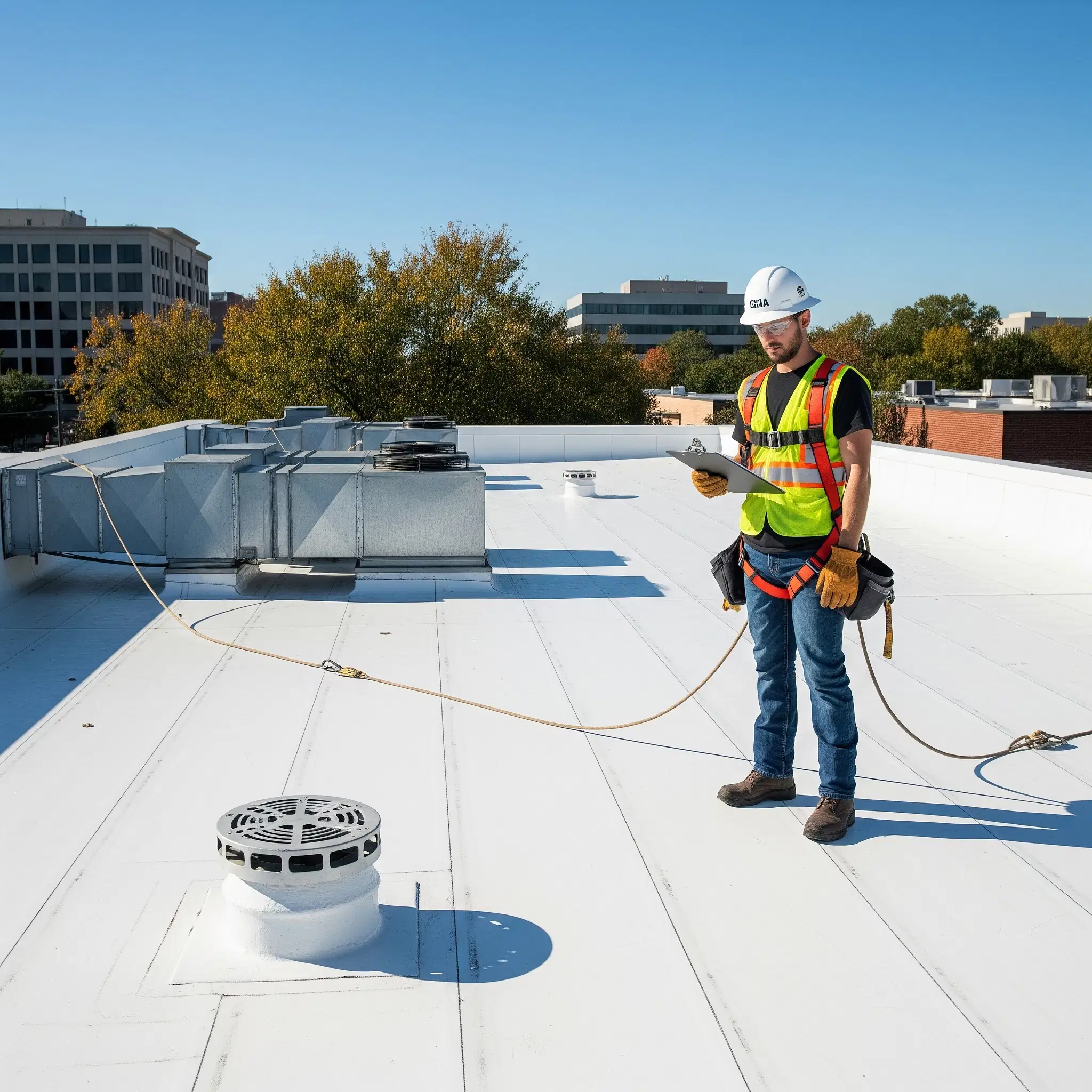
- Schedule a Professional Inspection: The best way to understand your roof's condition is to have an expert look at it. A professional can identify subtle issues with your shingles, flashing, and ventilation system that could lead to major problems down the road.
Protect Your Home This Winter with ADL Roof Revival
Dealing with the effects of a harsh winter on your roof can be stressful. Ice damming is a clear sign that your roofing system isn't performing as it should. By focusing on the root causes—insulation and ventilation—you can protect your home from costly water damage and ensure your peace of mind through every deep freeze.
If you're seeing the signs of ice damming or want to take proactive steps to prepare your home for winter, the team at ADL Roof Revival is here to help. We provide comprehensive solutions, from expert roof repair to full roof replacement with materials designed to withstand our climate. We can even explore roof rejuvenation options to extend the life of your current shingles. Contact us today for a professional assessment of your Edmonton home's roofing system and let's make sure your roof is ready for anything winter throws its way.