Don't Wait for the Storm: A Homeowner's Guide to Preparing Your Roof for Hail Season
Anyone who has lived in Edmonton for a while knows how quickly a beautiful summer afternoon can turn into a noisy, damaging hailstorm. While we can't predict the weather, we can certainly prepare for it. Your roof is your home's first and most important line of defense against the elements, and the annual threat of hail season puts it to the test. Taking proactive steps to ensure your roof is in top condition doesn't just provide peace of mind; it protects your most significant investment and can save you from costly, stressful emergency repairs down the road. This guide will walk you through how to spot potential weaknesses, understand your options, and make sure your home is ready for whatever the sky throws at it.
Understanding the Threat: Why Hail is a Big Deal for Your Roof
Hail damage isn't always as obvious as a cracked window. For asphalt shingles, the most common roofing material, the impact can be subtle but significant. Here’s what happens:
- Granule Loss: The tiny, sand-like granules on your shingles are a protective layer against UV rays and weather. Hailstones knock these granules loose, creating 'bald spots' that expose the underlying asphalt to the sun, causing it to deteriorate much faster.
- Shingle Bruising: A hard impact from hail can bruise the shingle, creating a soft, spongy spot in the asphalt mat. While it might not be visible from the ground, this weakens the shingle's integrity and can lead to cracks and leaks over time.
- Cracking: Larger hailstones or older, more brittle shingles can crack on impact, creating a direct path for water to seep into your roof deck.
The problem is compounded by our climate's notorious freeze-thaw cycle. Water that gets into these tiny cracks and bruises will freeze and expand during a cold snap, then thaw and seep further in. This repeated process can turn a minor issue into a major leak, compromising your home's structure and leading to much more extensive damage.
Your Pre-Season Checklist: How to Spot Potential Weaknesses
Before hail season is in full swing, it's wise to give your roof a health check. While a professional inspection is always the most thorough option, here are a few things you can safely check yourself:
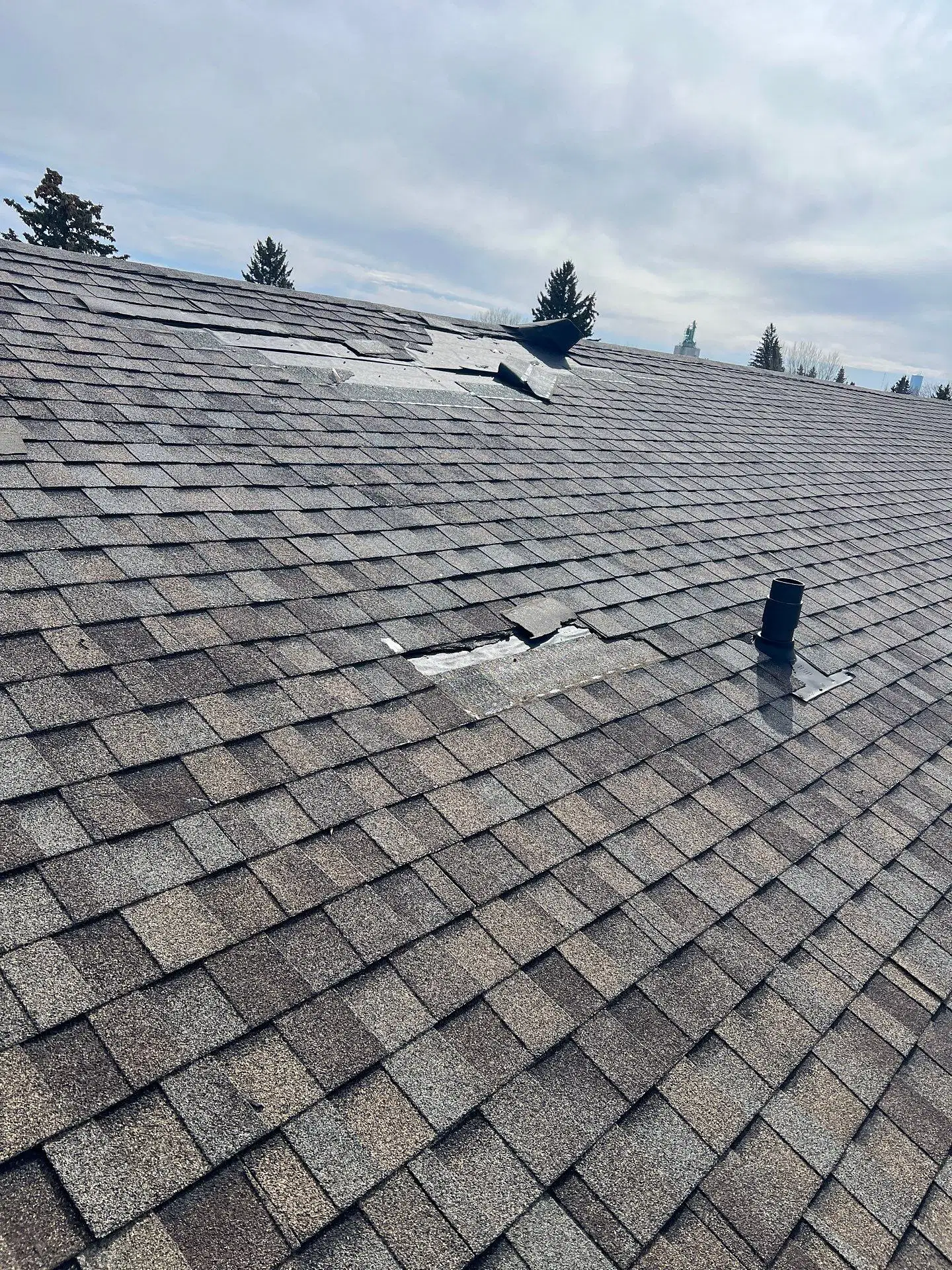
- Inspect from the Ground: Using binoculars, scan your roof for any obvious signs of trouble. Look for shingles that are cracked, curled at the edges, or missing entirely. Pay close attention to areas around vents, skylights, and chimneys, as these are common spots for vulnerabilities.
- Check Your Eavestroughs: Take a look inside your eavestroughs and at the base of your downspouts. A large accumulation of black, sand-like granules is a clear sign that your shingles are aging and losing their protective layer, making them much more susceptible to hail damage.
- Look for Interior Signs: Sometimes, the first sign of a roof problem appears inside. Check your ceilings and attic for any water stains, discoloration, or peeling paint. This indicates an active leak that needs immediate attention.
If you notice any of these red flags, it's a signal to act before a storm hits. Addressing a small problem now is far easier and more affordable than dealing with a major leak later.
Strengthening Your Defenses: From Repair to Rejuvenation and Replacement
Once you've assessed your roof's condition, you have several options to ensure it's ready for hail season. The right choice depends on the age and overall health of your roof.
-
Targeted Roof Repairs: If you only have a few damaged or missing shingles, a professional roof repair may be all you need. Fixing these isolated weak spots is a cost-effective way to maintain your roof's integrity and prevent small issues from escalating during a storm.
-
Proactive Roof Rejuvenation: What if your roof is starting to show its age but isn't ready for a full replacement? This is where roof rejuvenation comes in. This innovative treatment involves applying a 100% plant-based oil that soaks into old, brittle asphalt shingles, restoring their flexibility and durability. It helps replace the essential oils that have dried out over time, making the shingles more resilient to impact and extending the life of your roof for years, often at a fraction of the cost of replacement.
-
Full Roof Replacement: For roofs that are past their prime or have sustained widespread damage, a full roof replacement is the best long-term solution. This is an opportunity to upgrade to modern, high-performance materials, such as Class 4 impact-resistant shingles, which are specifically designed and tested to withstand significant hail impact. Investing in a durable new roof provides the ultimate protection and enhances your home's value and curb appeal.
Don't Leave It to Chance
The unpredictability of hail season is a fact of life in our region, but leaving your home's protection to chance shouldn't be. By taking a proactive approach—inspecting your roof, understanding its condition, and addressing issues before they become emergencies—you can face the season with confidence.
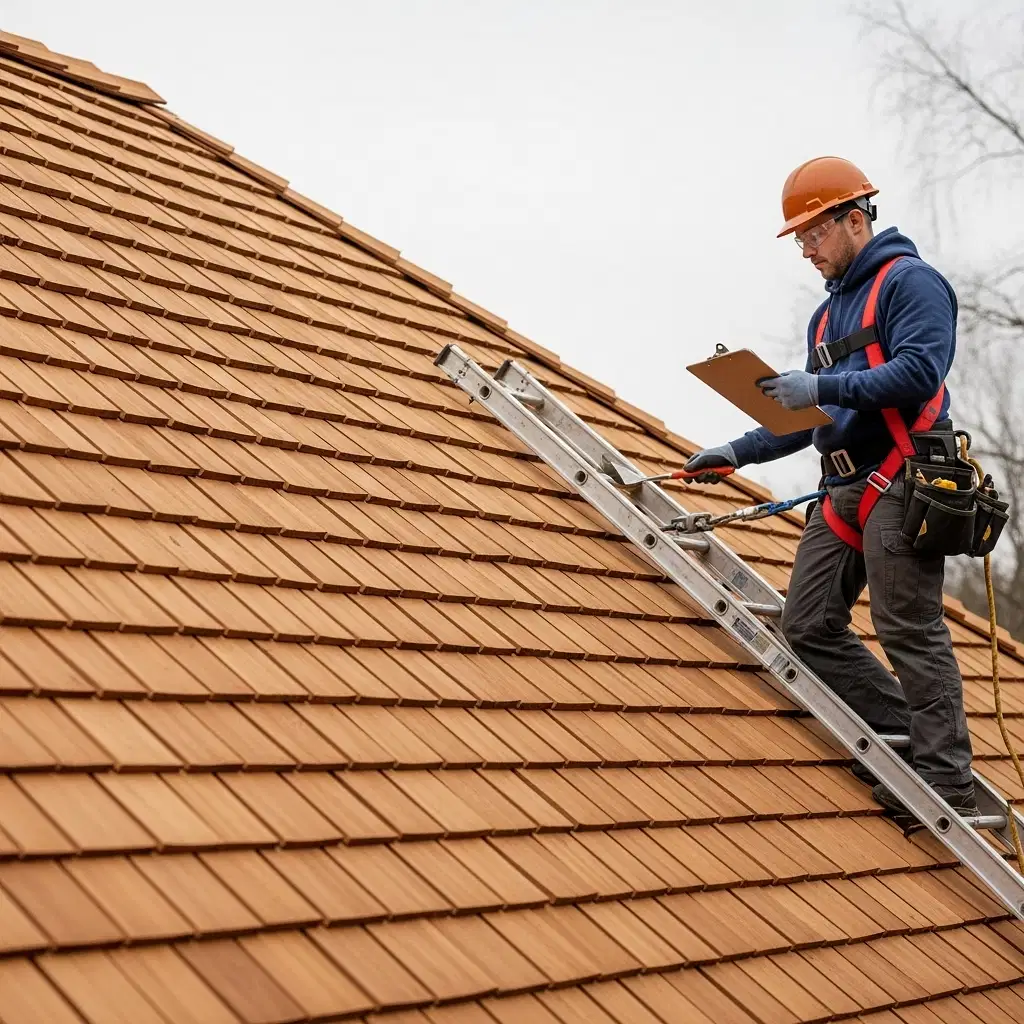
Whether you need a simple repair, are curious about the benefits of roof rejuvenation, or are considering a full replacement with impact-resistant materials, the first step is a professional assessment. Contact the team at ADL Roof Revival today to schedule a free, no-obligation inspection. Let us help you ensure your Edmonton home is safe, secure, and ready for whatever the weather brings. Get in touch with us to learn more.